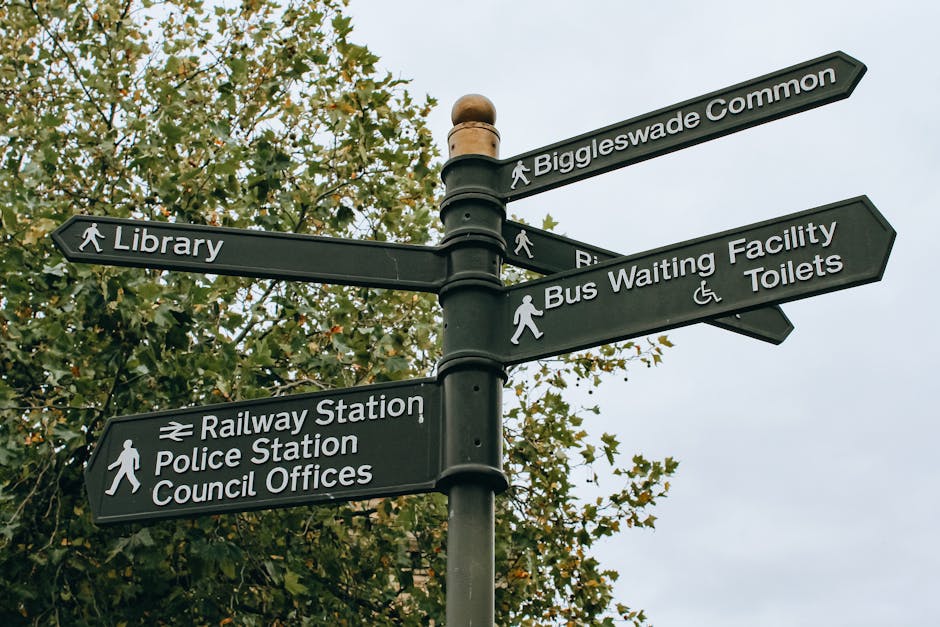
Rubbish clearance Richmond Park TW9 access guide
Posted on 13/08/2026
If you are planning a clearance near Richmond Park, TW9, the tricky part is often not the rubbish itself. It is access. Narrow roads, resident zones, parking pressure, garden gates, shared drives, and the simple fact that some jobs need a bit more planning than people expect. This Rubbish clearance Richmond Park TW9 access guide is here to make the whole process feel less confusing and, frankly, less stressful.
Whether you are clearing a flat, handling a move-out, dealing with builders' debris, or just removing a heavy pile of household waste after a long-overdue sort-out, the aim is the same: get the job done safely, efficiently, and without upsetting neighbours or wasting time circling the block. Below, you will find a practical walk-through of how access works, what to check before booking, where the common problems appear, and how to avoid the usual last-minute scramble. And yes, that usually happens at the worst possible moment.
For readers who want to understand the wider service picture as well, it can help to look at the services overview and the company's approach to waste carrier licence and compliance before making a decision.

Why Rubbish clearance Richmond Park TW9 access guide Matters
Access is not a small detail. It can shape the whole job. In TW9, you may be dealing with limited roadside space, busy local traffic, time-sensitive parking, and properties that are not especially forgiving when it comes to large vehicles. A clearance crew can only work as quickly as the site allows, so the route from vehicle to waste pile matters just as much as the waste pile itself.
For domestic clearances, awkward access can mean more labour time, more trips, or a need for smaller vehicles. For commercial or builder waste, the issue can be even sharper because materials are heavier, messier, and usually less tidy to load. If a team turns up expecting a simple kerbside pickup and finds a long carry through a garden path or several flights of stairs, the job changes shape very quickly.
That is why good planning around access saves more than effort. It can reduce delays, prevent damage, and avoid that awkward moment when everyone is standing around wondering where the van can legally stop. In a neighbourhood like Richmond, that matters. A lot.
How Rubbish clearance Richmond Park TW9 access guide Works
At its simplest, the access process is a quick assessment of how waste moves from the property to the collection vehicle. A proper clearance service will usually want to know:
- where the waste is located
- how far it must be carried
- whether there are stairs, steps, lifts, gates, or narrow hallways
- if parking is available nearby
- whether any permits, timing restrictions, or building rules apply
- what type of waste needs removing
In practice, this often starts with a quote conversation and a few photos. A good operator will ask questions that seem slightly nosy, but they are usually the right questions. For example: can a van stop outside? Is there a basement? Is access through a side alley? Can the truck fit on the road without blocking traffic? Those details decide whether a job is straightforward or needs a different setup.
Many people assume access only matters for huge clearances. Not really. Even a few bulky items, like an old wardrobe, mattress, broken exercise bike, or a stack of bagged household clutter, can become awkward if the property is tucked behind a shared entrance or the street is busy at school-run time.
If your clearance is linked to moving house, it can also be useful to read about planning and packing pressure in the house clearing checklist for an international move. Different situation, same lesson: the less you leave to the last day, the better.
Key Benefits and Practical Advantages
A well-planned access arrangement does more than save time. It improves the quality of the whole clearance experience.
- Faster loading: Shorter carry distances mean less labour and less waiting around.
- Lower risk of damage: Careful access planning protects walls, floors, lifts, doors, and shared entrances.
- Cleaner finish: With a clear route and the right tools, crews can remove waste without leaving a trail of mess behind them.
- Better pricing accuracy: A clearer access picture helps reduce unpleasant surprises on the day.
- Less disruption: Neighbours, residents, and building managers generally prefer a tidy, organised clearance.
- Safer handling: Heavy or awkward items can be moved more safely when the route is known in advance.
There is also a psychological benefit, if that is not too grand a word for it. Once access is sorted, the job feels manageable. You stop imagining worst-case scenarios and start dealing with the actual pile in front of you. Which, to be fair, is usually smaller than the one in your head.
Who This Is For and When It Makes Sense
This guide is useful for anyone arranging rubbish clearance near Richmond Park, TW9, but it is especially relevant if any of the following apply:
- you live on a road with limited parking or narrow access
- you are clearing a flat, maisonette, or upper-floor property
- your waste is in a back garden, basement, or outbuilding
- you have builders' rubble, timber, or heavy renovation waste
- you are clearing furniture, white goods, or bulky household items
- the property sits within a managed block, gated development, or shared courtyard
- you need a same-day or time-sensitive pickup
It also makes sense if you are a landlord, letting agent, executor, facilities manager, or homeowner preparing a sale. In fact, access planning is often what separates a quick tidy-up from a day of unnecessary friction. If the property is being prepared for listing or a viewing, the practical side matters just as much as the visual side. A clear path, a clean hallway, and no surprise obstruction at the gate. Simple things, but they save headaches.
For people in the local property market, this can be part of broader move or refurbishment planning, alongside useful reading such as the real estate buying in Richmond article and the Richmond real estate smart investors guide.
Step-by-Step Guidance
Here is a practical way to approach rubbish clearance access in TW9 without overcomplicating it.
- Identify the waste type and volume. Separate general household rubbish from furniture, garden waste, builders' debris, or appliance items. Mixed waste often needs clearer description than people expect.
- Map the route from waste to van. Note doors, stairs, side passages, tight corners, lifts, and anything that could slow moving.
- Check parking and stopping options. Can a vehicle stop nearby? Is loading from the front only? Is there restricted parking at certain times?
- Take a few honest photos. Wide shots help more than close-ups. Show the access route if possible, not just the rubbish.
- Flag any restrictions early. Let the provider know about resident permits, concierge rules, timed access windows, or neighbours who need warning.
- Prepare the property in advance. Move small valuables, clear the route, and make sure gates, bins, and bikes are not blocking the way.
- Confirm what will happen on arrival. Ask how the crew will park, where they will start loading, and whether any items need to be kept separate.
- Be present if possible. It helps to answer questions quickly. A ten-minute conversation can save thirty minutes of confusion. Sometimes more.
If the job involves heavy lifting or awkward stair access, check the provider's insurance and safety information before booking. That is just common sense, really.
Expert Tips for Better Results
Good access planning is mostly about avoiding friction. A few small habits make a big difference.
- Photograph access at the same time of day the job will happen. A road that feels easy at 10 a.m. can be much tighter by late afternoon.
- Measure awkward items before collection day. If something barely fit on the way in, it may not be fun on the way out.
- Keep stairwells and landings clear. A clear route speeds everything up and reduces the risk of scuffs.
- Separate special items early. Appliances, furniture, and garden waste are often best grouped so the team can load efficiently.
- Leave room for working space. It sounds obvious, but a blocked hallway slows a job down in a way that feels almost comical until you are the one holding the sofa.
- Ask about the most suitable collection method. Sometimes a smaller van or split load is more practical than trying to force a big vehicle into a cramped street.
One small but useful habit: put tape or a note on items that are staying. If you are clearing only part of a room, that little visual reminder prevents mistakes. It sounds basic. It is basic. And it works.

Common Mistakes to Avoid
A lot of access trouble comes from underestimating the site, not from the rubbish itself.
- Assuming the van can park right outside. Not always true in TW9, especially near busy residential stretches.
- Ignoring building rules. Managed properties may need notice, lift protection, or specific time slots.
- Forgetting rear access or garden access issues. A waste pile in the back can be easy to see and still awkward to reach.
- Mixing waste types without telling anyone. Builders' waste, appliances, and household clutter may not be handled the same way.
- Leaving access checks until the morning of the job. That is when minor issues become expensive ones.
- Not clearing a path first. The route matters as much as the load.
Another common one: booking based on "it should be fine". That phrase has caused more hassle than any spreadsheet ever has. If access feels uncertain, say so early. A decent provider will appreciate the honesty.
Tools, Resources and Recommendations
You do not need fancy equipment to prepare for clearance, but a few simple tools help:
- a tape measure for gates, stair widths, and bulky items
- your phone camera for photos and short videos
- bin bags or boxes for sorting smaller waste
- labels or masking tape for items to keep
- basic gloves for tidying sharp or dusty materials
- a notepad for parking restrictions, arrival times, or building contact details
From a service perspective, it is also worth comparing the type of clearance you need. A domestic job is not the same as a builders' clearance, and furniture removal is not the same as appliance disposal. If you want a sense of how those services differ, the following pages are useful: domestic waste collection Richmond, builders waste removal Richmond, furniture removal Richmond, white goods and appliance disposal Richmond, and garden waste removal Richmond.
If the job is more substantial, like clearing out an entire property, the house clearance Richmond page can help you think about the larger workflow. For business premises, there is also commercial waste removal Richmond, which brings its own access realities.
Law, Compliance, Standards, or Best Practice
For rubbish clearance, the legal and practical basics are straightforward: waste should be handled responsibly, carried by an appropriate registered operator, and disposed of properly. Good providers will be able to explain their compliance position in plain English, not hide behind vague reassurance. That is the standard you want.
In a local access context, best practice usually means avoiding obstruction, keeping pavements and shared areas safe, and respecting building rules or parking restrictions. If a clearance involves communal space, landlords or managing agents may also expect notice or additional care. Nothing dramatic, just the sort of details that keep a simple job from becoming a complaint.
It is also sensible to ask about payment handling, terms, and security before confirming a booking. You can review the company's payment and security information and their terms and conditions if you want to know how the service is structured.
For environmentally conscious customers, disposal standards matter too. Sorting reusable items, separating recyclable materials where possible, and avoiding unnecessary landfill are all part of better practice. The recycling and sustainability page is a useful reference point if that side of the decision matters to you.
And yes, it matters. A lot of people say they care about responsible disposal and then forget it the minute the van arrives. Human nature, I suppose.
Options, Methods, or Comparison Table
Different clearance methods suit different access situations. Here is a simple comparison to help you think it through.
| Method | Best for | Access needs | Typical trade-off |
|---|---|---|---|
| Kerbside collection | Short, easy jobs with parking nearby | Very low carry distance | Fast, but depends heavily on legal stopping space |
| Walk-in collection from property | Domestic clearances, furniture, mixed waste | Moderate access, clear route indoors | More flexible, but can take longer if stairs or tight corridors are involved |
| Garden or rear access clearance | Garden waste, sheds, rear piles, outbuildings | Gate width, pathway condition, external route | Useful when front access is poor, though paths may be uneven or narrow |
| Split-load or smaller-vehicle clearance | Constrained streets or blocked access | Useful where large vans struggle | Can be more practical, but may require more than one movement |
There is no single best option. The right method depends on the property, the waste type, and how easy it is to move items out without disrupting the area. A good rule of thumb: if the access looks slightly awkward to you, it will probably look awkward to the crew too. Better to say so early.
Case Study or Real-World Example
A typical Richmond Park TW9 scenario might look like this. A homeowner is clearing a two-bedroom flat before a sale. The waste includes a wardrobe, a broken washing machine, bagged clutter from the loft, and a few bits of garden waste from a small rear space. On paper, that sounds simple enough.
Then the access questions start. The road has tight parking, the building sits back from the pavement, and the rear garden is reached through a side passage that narrows near the bins. The washing machine is heavy, the wardrobe is awkward, and the hallway is just wide enough for one person to pass comfortably. Not impossible, but definitely something that benefits from planning.
In a case like that, the practical fix is usually to confirm parking in advance, take photos of the route, keep the path clear, and make sure the larger items are separated from the smaller bags. If the crew knows what they are walking into, the job runs far more smoothly. The difference can be surprisingly obvious. Fewer pauses, fewer questions, less bumping into door frames. Everyone breathes a bit easier.
That is the real point of this guide: not perfection, just fewer surprises.
Practical Checklist
Use this checklist before your rubbish clearance appointment.
- identify the waste type and approximate volume
- check whether the waste is front, rear, loft, basement, or garden access
- measure gates, narrow passages, or stair bottlenecks if needed
- confirm parking or stopping space near the property
- note any resident permits, building rules, or timed restrictions
- take clear photos of the waste and the access route
- separate items that need special handling, such as appliances or heavy furniture
- clear hallways, entrances, and landings
- move valuables, fragile items, and anything you want to keep
- share all access details before the booking is confirmed
- review the provider's compliance, safety, and payment information
- ask what happens if access turns out to be tighter than expected
If you can tick most of those off, you are in good shape. Not flashy. Just properly prepared.
Get a free quote today and see how much you can save.
Conclusion
Rubbish clearance near Richmond Park, TW9, becomes much easier when access is treated as part of the job rather than an afterthought. The route, the parking, the property layout, and the waste type all affect how smoothly everything goes. Once those pieces are clear, the rest tends to fall into place.
If you are planning a clearance soon, take a few photos, think through the access route, and ask the awkward questions before the booking is locked in. That is usually the difference between a tidy, efficient collection and a day of unnecessary shuffling. And nobody needs more of those.
When handled well, the whole process can feel surprisingly calm. One clean route. One clear plan. One less thing hanging over your head.